Divorce in Turkey for Russian Citizens: Legal Process, Jurisdiction, and MÖHUK Rules
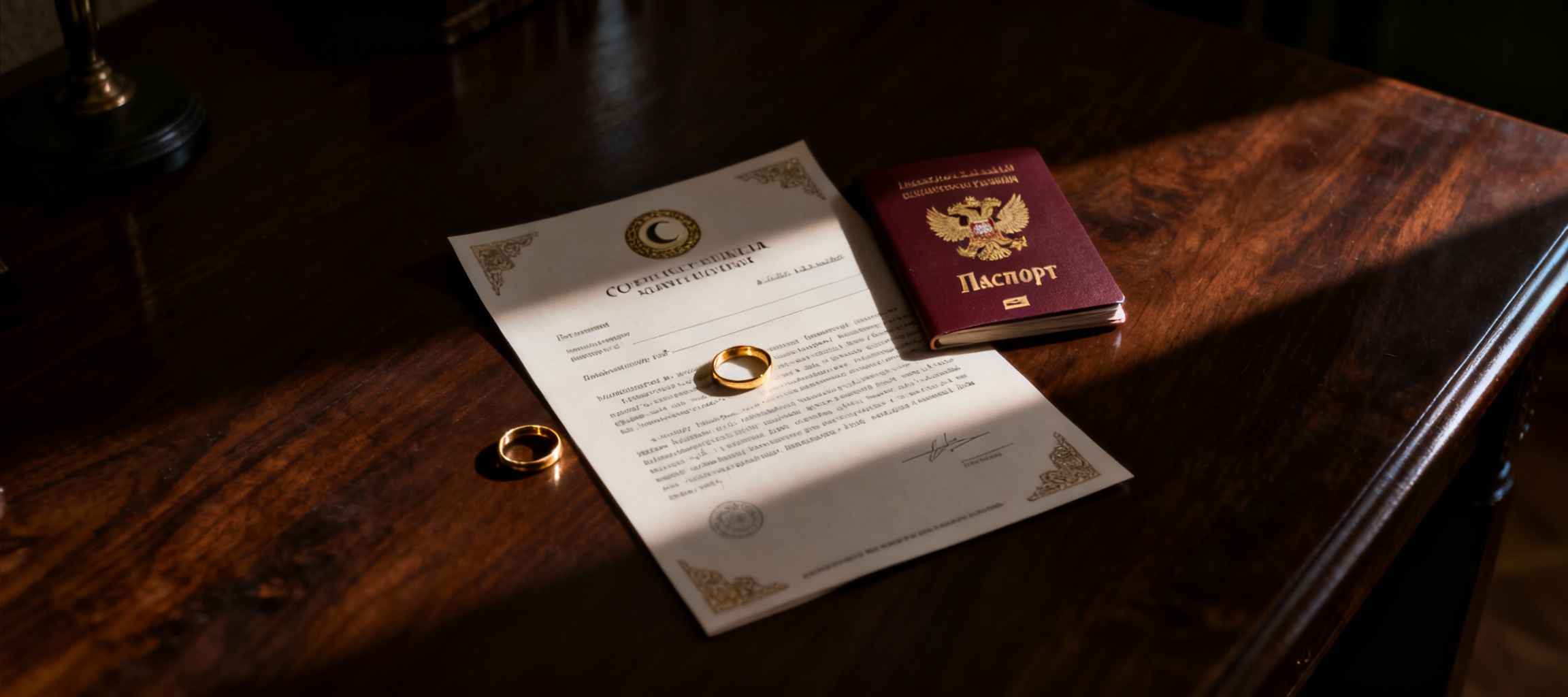
Divorce in Turkey for Russian Citizens: Legal Process, Jurisdiction, and MÖHUK Rules
Dissolving a marriage in Turkey for Russian Federation nationals residing or doing business in the country involves complex international private law rules. Determining whether Turkish Family Courts have jurisdiction, identifying the applicable law under Article 14 of the Private International Law Code (MÖHUK), and managing international notifications require specialized legal expertise.
Legal Framework & Jurisdiction of Turkish Courts
Under MÖHUK, specific statutory criteria must be satisfied for Turkish courts to assume jurisdiction over divorce proceedings involving foreign nationals:
- Court Jurisdiction: Turkish Family Courts hold jurisdiction if at least one spouse resides in Turkey or if the couple resided together in Turkey for the last 6 months prior to filing.
- Applicable Law: If both spouses are Russian citizens, joint national law (Russian law) primarily governs the grounds for divorce under MÖHUK Art. 14. If nationalities differ, joint habitual residence law or Turkish law applies sequentially.
Importance of Early Defense Strategy & Legal Counsel
Divorce cases with foreign elements carry strict procedural requirements. Attempting to navigate international family litigation without experienced Turkish legal representation exposes parties to severe procedural pitfalls.
- International Service of Process Risks: Official judicial summons served to spouses in Russia through diplomatic and ministerial channels must strictly comply with international treaties; procedural flaws cause multi-year delays or dismissal.
- Child Custody, Alimony & Property Rights: Navigating differences between Turkish and Russian law regarding child custody, visitation rights, and marital property division requires meticulous legal framing.
- Apostille & Translation Traps: Marriage certificates, birth records, and financial disclosures issued abroad must meet strict Apostille and sworn translation standards to avoid rejection by the court.
To protect your legal rights, custody claims, and financial assets, retain specialized legal representation from Gönen Law Office before initiating or responding to divorce litigation.
Recognition & Enforcement of Foreign Divorce Decrees
Divorce decrees granted by courts in Russia require formal Recognition and Enforcement (Tanıma-Tenfiz) lawsuits or administrative registry procedures under Turkish Population Services Law Art. 27/A to take legal effect in Turkey.
Professional Legal Representation
This article provides general information regarding divorce proceedings for Russian nationals in Turkey. International family law disputes demand strict compliance with statutory procedures.
To secure your parental rights, custody claims, and financial interests, contact Gönen Law Office for specialized legal representation.
Frequently Asked Questions
When can Russian citizens file for divorce in Turkish courts?+
Russian citizens may apply to Turkish courts for divorce if certain conditions are met under the rules on private international law and procedural law. Turkish courts are authorized to hear the case when one of the spouses is domiciled in Turkey, or when the spouses have lived together in Turkey for the last six months before filing. The legal residence of at least one spouse in Turkey is a sufficient ground.
Which law applies to a divorce case in Turkey?+
Even if the case is filed in Turkey, the applicable law is determined according to a set order: first the common national law of the spouses (Russian law if both are Russian citizens), then the common law of their habitual residence if they have different nationalities, and otherwise Turkish law. The proceedings follow procedural steps such as collecting evidence, serving notices, and attending hearings. A lawyer typically conducts these proceedings.
How is a Russian divorce decree recognized in Turkey?+
In general, a divorce decree from a Russian court requires a recognition and enforcement lawsuit to be legally valid in Turkey. However, thanks to Article 27/A added to the Population Services Law No. 5490, Russian divorce decrees can be registered directly to the civil registry through the civil registry offices or consulates without filing a lawsuit. This significantly facilitates the recognition process.
Should I work with a lawyer for a divorce in Turkey?+
Yes, because divorce cases with a foreign element involve complex jurisdictional and procedural rules, it is strongly advisable to get professional legal support. A lawyer can assess jurisdiction, identify the applicable law, and manage the procedural steps. Each case has its own conditions, so individual review is important to avoid loss of rights.
Av. Yavuz Gönen
Partner at Gönen Law Office with extensive experience in Turkish legal matters. Specializes in real estate, construction, and foreign investment law.